allisles.com
Tobago
allisles.com
Tobago
Tobago: Complete Caribbean Travel Guide
Visa Free
Last updated:
Quick Facts
- Visa Required: No (visa-free for most nationalities)
- Currency: Trinidad and Tobago Dollar (TTD)
- Language: English
- Best Months: January, February, March, April, May
- Average Temperature: 28.2°C (82.8°F)
- Nearest Airport: A. N. R. Robinson International Airport (TAB)
- Location: Lesser Antilles, Trinidad and Tobago
- Area: 300 km²
- Population: 60,000
About Tobago
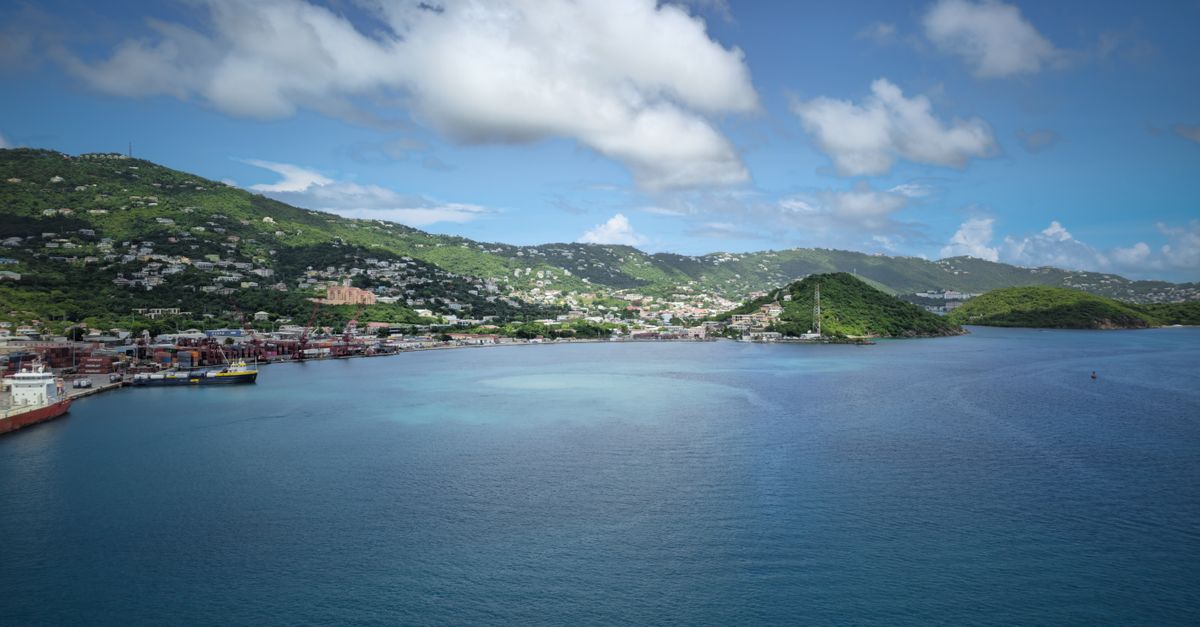
The Caribbean island of Tobago sits in the Lesser Antilles chain. This small island measures just 300 square kilometers with a population of 60,000 residents. Tobago forms part of the dual-island nation of Trinidad and Tobago. The island lies at coordinates 11.25 degrees north latitude and 60.6667 degrees west longitude.
Tobago offers visitors a rare Caribbean experience. The island remains less crowded than larger destinations. Locals speak English, making communication easy for North American and European travelers. The Trinidad and Tobago dollar serves as the official currency here. The island sits in the Atlantic timezone (America/Port_of_Spain).
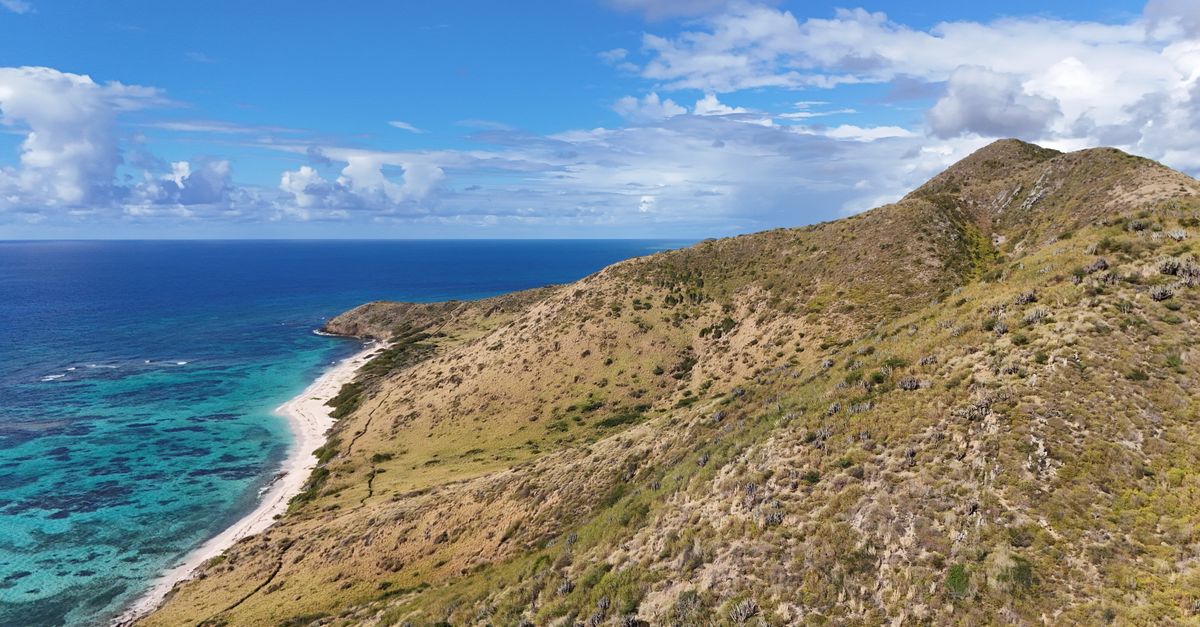
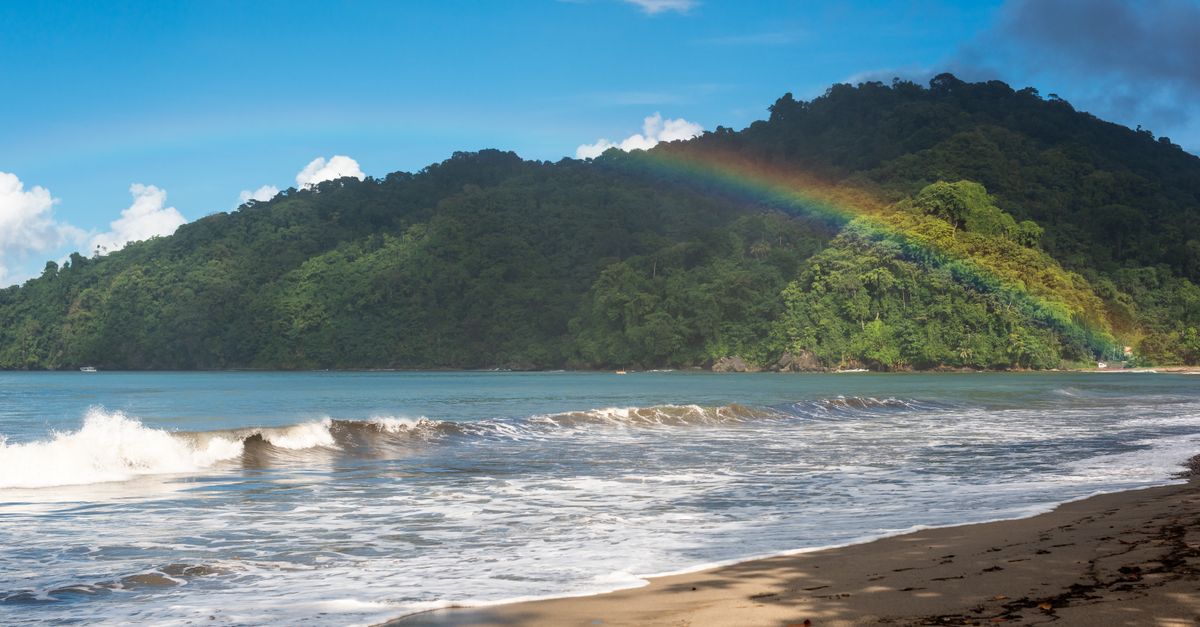
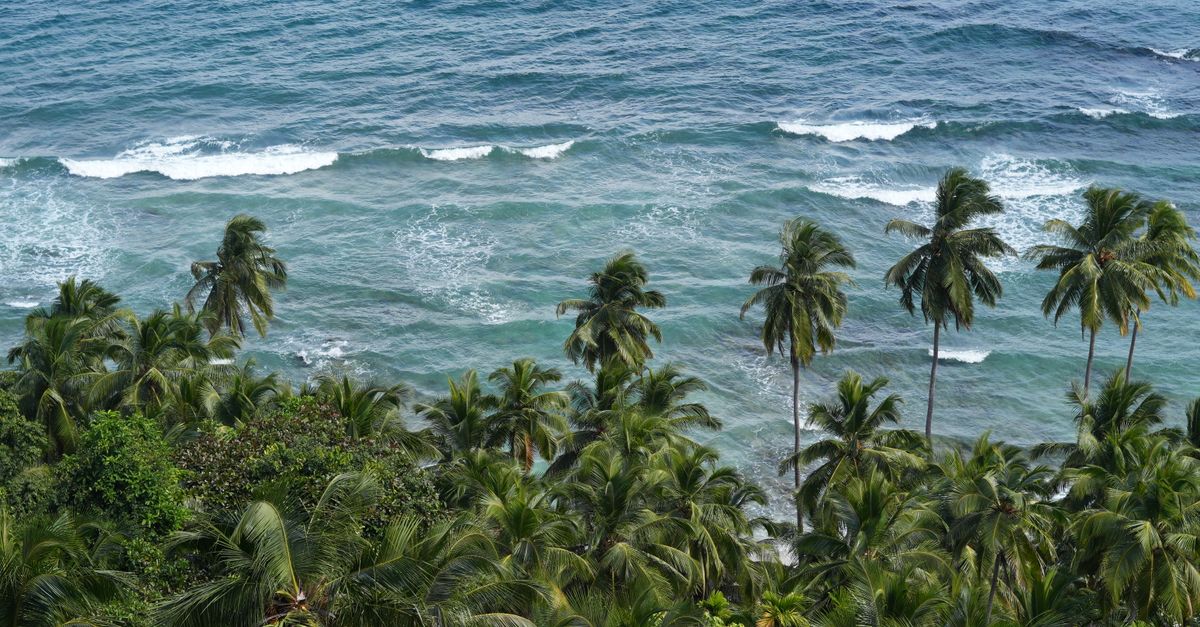
Pigeon Peak forms the island's highest point. The north coast features dramatic cliffs and lush rainforest vegetation. The south coast offers calmer waters and beautiful sandy beaches. Coral reefs surround much of the island, making it a diver's paradise.
The island has a rich history spanning centuries. European colonization and sugar plantations shaped early development. Today, tourism and fishing drive the local economy. The culture blends African, European, and Caribbean influences throughout the island.
Why Visit Tobago

Best forcouplesfamiliesbudget travelersluxury travelerssolo travelers
Tobago delivers authentic Caribbean experiences without massive crowds. Visitors find pristine beaches, excellent diving, and warm hospitality. The island combines natural beauty with cultural richness. Food here reflects island traditions and fresh seafood daily.
Scuba diving ranks among the top activities on Tobago. The island offers world-class dive sites suitable for all skill levels. Divers explore shipwrecks, coral gardens, and vibrant marine ecosystems. Sunken German U-boat S.S. Antilla attracts experienced divers regularly. Shallow reefs near Pigeon Point work well for beginners.
Beaches on Tobago remain relatively undeveloped and natural. Pigeon Point Beach provides calm, shallow waters ideal for swimming. Store Bay Beach connects to colorful local fishing boats and beachside food shacks. Englishman's Bay offers powdery sand and forest backdrop. Man O War Bay presents secluded tranquility away from main towns.
The island's interior rainforest invites exploration and hiking. Visitors encounter native bird species and tropical plants. Local guides lead tours through protected areas. Waterfall hikes reveal natural pools perfect for refreshing swims.
Local cuisine showcases Caribbean flavors and fresh ingredients. Fresh fish, roti, and curries dominate menus throughout the island. Markets in Scarborough sell produce, spices, and local goods. Street vendors offer authentic meals at reasonable prices.
PRO TIP: Visit Tobago during the dry season from January to May for the best weather and clearest diving conditions.
Tobago for Families
Best forfamilies with children of all ages
Families find Tobago remarkably kid-friendly and safe. The island offers plenty of activities beyond beaches. Shallow waters at Pigeon Point let young children splash safely. Parents appreciate the absence of major crowds and crime.
Beach days provide endless entertainment for families. Kids enjoy building sandcastles on Pigeon Point Beach. Store Bay features shallow, protected waters. The calm south coast suits families better than rough northern waters.
Snorkeling introduces children to coral reefs without scuba training. Boat tours depart daily from various beaches. Operators provide safety equipment sized for kids. Colorful fish and sea turtles create magical underwater experiences.
Island exploration keeps families engaged and active. Hiking trails near Argyle Waterfall suit all fitness levels. Kids enjoy swimming in natural pools at waterfall bases. The Rainforest Reserve offers guided walks with wildlife spotting. Local guides point out monkeys, iguanas, and tropical birds.
Family meals work well at beachside restaurants. Most establishments welcome children enthusiastically. High chairs and kids' menus appear at popular spots. Fresh seafood appeals to adult palates while simpler options satisfy picky eaters. Portions tend to be generous and prices reasonable.
Tobago's compact size means short drives between attractions. Families avoid long bus rides and exhausting schedules. Parents manage children's energy better with manageable distances. A rental car provides flexibility for family adventures.
Tobago for Couples

Best forromantic getawayshoneymoonersanniversary celebrations
Couples discover romance on nearly every beach in Tobago. Sunset walks along quiet shores set perfect moods. The island's intimate scale encourages close exploration. Few crowds mean peaceful moments together away from other tourists.
Sunset at Pigeon Point marks an essential couple's experience. The western-facing beach glows orange and pink as sun descends. Soft sand and gentle waves create romantic atmospheres. Local vendors sell drinks and light snacks nearby.
Beachfront dinners provide intimate settings for couples. Restaurants at Store Bay and Pigeon Point offer waterfront seating. Fresh grilled fish paired with local sides satisfy culinary desires. Candlelit tables appear at upscale establishments throughout the island.
Couples' activities include sunset catamaran cruises. Tours depart from Scarborough and coastal towns daily. These trips include drinks, snacks, and swimming opportunities. Musicians and dancers often perform during evening cruises. The experience combines relaxation with cultural entertainment.
Spa treatments and wellness services help couples unwind. Several resorts offer couple's massages and body treatments. Beach massages provide authentic relaxation surrounded by ocean views. Local spas use natural oils and traditional Caribbean methods.
Snorkeling together creates shared adventure and wonder. Exploring reefs side-by-side builds connection and excitement. The calm south coast offers safe, accessible snorkeling spots. Professional guides ensure both partners feel comfortable and safe.
PRO TIP: Book sunset catamaran tours in advance during peak season to guarantee availability and secure the best viewing spots.
Tobago for Solo Travelers
Best forindependent adventurersbackpackersbudget-conscious travelers
Solo travelers find Tobago welcoming and manageable. The island's small size makes independent exploration straightforward. English-speaking locals help solo visitors navigate easily. Crime rates remain low, making the island safe for independent travelers.
Budget accommodations abound throughout Tobago. Guesthouses offer clean, simple rooms at low prices. Hostels in Scarborough connect travelers with fellow visitors. Budget hotels near beaches provide good value. Shared kitchen facilities at some places reduce meal costs significantly.
Solo hiking adventures appeal to independent travelers. Trails throughout the island range from easy to challenging. Natural waterfalls and pools reward hikers with refreshing swims. Guides available for hire increase safety and knowledge. Solo walkers often encounter friendly locals willing to share directions and stories.
Public transportation keeps solo travel affordable. Minibuses connect towns and beaches throughout the island. Drivers accept payment in Trinidad and Tobago dollars. Routes are frequent though schedules remain informal. Taxi services offer alternative transport when buses don't suit travel plans.
Solo divers find reputable dive operators throughout Tobago. Group dives pair solo travelers with other divers. Dive shops provide training certifications for beginners. Evening dives offer budget-friendly options compared to full-day outings. Experienced divers tackle challenging wreck sites independently.
Social opportunities exist at beach bars and local restaurants. Many solo travelers gather at popular establishments. Locals enjoy meeting visitors and sharing stories. Beachside spots near Pigeon Point attract evening crowds. Travelers naturally meet and form temporary groups organically.
Best Time To Visit Tobago
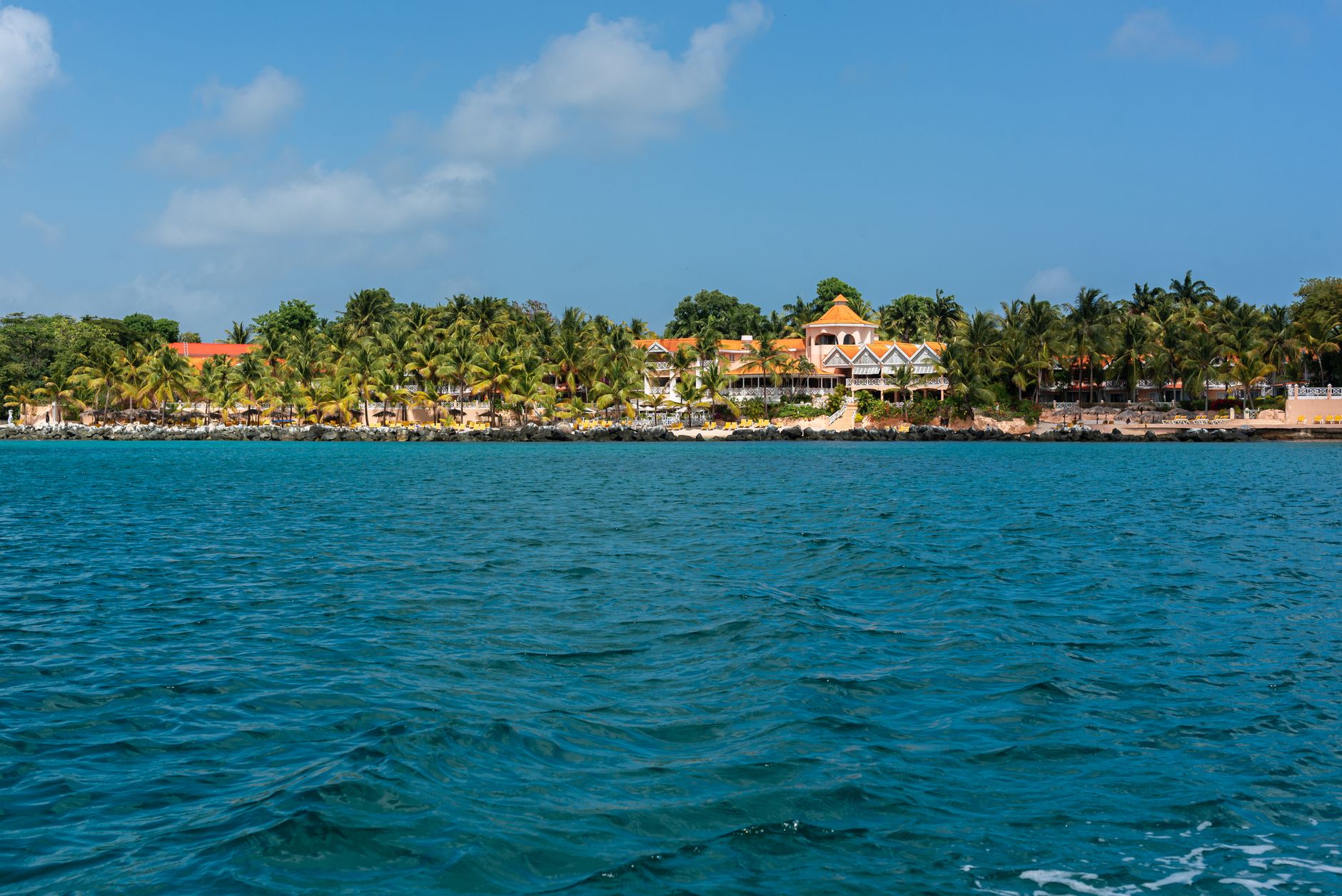
The dry season from January through May represents the ideal window for visiting. These months feature minimal rainfall and sunny days. Average temperatures hover around 28.2°C (82.8°F) throughout the year. The trade winds keep temperatures comfortable even during hot afternoons.
January through May offers the clearest skies and best diving visibility. Water conditions remain calm during these months, especially on the south coast. Tourist numbers peak during these months, meaning busier beaches and higher prices. Book accommodations and tours several weeks ahead during peak season.
June through December brings the wet season and hurricane risk. Afternoon showers occur frequently during these months. Hurricane season officially runs June through November. Fewer tourists visit during this period, resulting in lower prices and special deals. Some travelers still visit during shoulder months like June and November.
Weather patterns vary slightly between coasts. The north coast experiences rougher seas year-round. The south coast remains calmer even during wet season months. Divers often visit year-round, adjusting dive sites based on current conditions.
Festival schedules influence travel timing for some visitors. Carnival celebrations occur before Ash Wednesday annually. Music festivals and cultural events happen throughout the year. Local celebrations offer authentic cultural experiences for interested travelers.
PRO TIP: Visit during May or early June for lower prices and still-good weather, avoiding the peak season crowds while missing most of the heavy rains.
Getting To Tobago
Flying To Tobago
A. N. R. Robinson International Airport (TAB) serves as the main entry point. This airport handles both domestic and international flights. Direct flights connect to major Caribbean hubs and some North American cities. Flight times from major cities range from 4 to 8 hours depending on connections.
Airlines operating routes to Tobago include Caribbean carriers and international operators. Schedules vary seasonally with more flights during peak travel months. Prices fluctuate based on demand, season, and how far ahead you book. Booking several weeks in advance typically yields better fares.
The airport sits about 20 kilometers from Scarborough, the island's capital. Taxi services wait outside the terminal building. Car rental agencies operate desks inside the terminal. Minibuses also depart from the airport to town centers.
Getting Around Tobago
Minibuses serve as the primary public transportation method. Routes connect most towns and popular beaches. Fares cost just a few dollars in Trinidad and Tobago currency. Drivers usually demand exact change, making small bills essential.
Rental cars provide maximum flexibility for independent travelers. International driving permits work on the island. Roads are generally well-maintained but narrow in some areas. Driving follows the left side of the road here. Gas stations appear regularly in main towns.
Taxi services offer point-to-point transport at set rates. Negotiate prices before entering vehicles if using unmarked cabs. Hotel staff can arrange reliable taxi services upon request. Ride-sharing apps operate in major towns and tourist areas.
Scarborough serves as the main hub for inter-island transport. Ferry service connects Tobago to Trinidad regularly. The crossing takes about 6 hours on the ferry. Speedboat options reduce travel time but cost more. Check schedules in advance as services adjust seasonally.
Frequently Asked Questions

Do I Need a Visa To Visit Tobago?
Most nationalities can enter Tobago visa-free for tourism purposes. Citizens of the US, Canada, UK, and EU countries typically enjoy visa exemption. Tourist visa requirements vary by nationality and purpose of visit. Check with your nearest Trinidad and Tobago embassy for specific requirements based on your passport. Many travelers can stay up to 90 days without a visa for tourism activities.
What Currency Should I Bring To Tobago?
The Trinidad and Tobago dollar (TTD) is the official currency throughout the island. ATMs appear in main towns and near tourist areas for withdrawing local currency. Major credit cards work at hotels, restaurants, and larger shops. Some establishments accept US dollars, but local currency typically provides better exchange rates. Bring some cash for small purchases, minibuses, and local vendors who may not accept cards.
Is Tobago Safe for Tourists?
Tobago maintains a good safety record compared to other Caribbean destinations. Crime against tourists remains relatively low across the island. Standard travel precautions apply, such as avoiding displaying expensive items and staying aware of surroundings. Beaches and tourist areas are generally safe during daylight hours. Use registered taxis at night rather than unmarked vehicles. Solo travelers report feeling safe exploring the island independently.
What Should I Pack for a Trip To Tobago?
Pack light, breathable clothing for the warm tropical climate. Bring sturdy hiking shoes for rainforest trails and waterfall exploration. Swimwear, snorkel gear, and beach accessories are essential items. Sun protection including sunscreen, hats, and sunglasses prevent sun damage. A light rain jacket works well for brief afternoon showers. Reef-safe sunscreen protects marine ecosystems while protecting your skin during water activities.
Are There Good Diving Opportunities on Tobago?
Tobago ranks as one of the Caribbean's premier diving destinations with excellent opportunities. The island offers diverse dive sites suitable for all experience levels. Professional dive operators throughout the island provide equipment rental and guided dives. Beginners can take certification courses at major dive shops. Sites include coral gardens, shipwrecks, and dramatic wall dives that attract experienced divers from worldwide.
Related Pages on Tobago
Islands Near Tobago