
Last updated:
Tobago diving offers some of the Caribbean's best underwater experiences. Located in the Lesser Antilles as part of Trinidad and Tobago, this 300 km² island attracts divers from around the world. The island sits at coordinates 11.25, -60.6667 and welcomes approximately 60,000 residents. Tobago diving ranks among the region's top activities for all skill levels. Clear waters, vibrant reefs, and diverse marine life make Tobago diving unforgettable.
You'll find dive operators ready to guide you through spectacular underwater landscapes. The island's small size means you can reach most dive sites quickly. Most dives happen in calm, protected waters on the leeward side. Tobago diving accommodates beginners and experienced divers alike. This guide covers everything you need to plan your diving adventure.
Best Dive Sites in Tobago
Tobago diving features several world-class dive sites. The Japanese Gardens rank as one of the most popular spots. You'll find this site off the northwest coast near Arnos Vale. The site features multiple coral formations and abundant fish species. Depths range from 12 to 30 meters, making it suitable for intermediate divers.
Diver's Dream offers another excellent Tobago diving location. This site sits just offshore and features stunning coral gardens. You can expect to see groupers, snappers, and parrotfish here. The maximum depth reaches about 20 meters. Beginners can explore shallower sections while advanced divers venture deeper.
The Flying Manta is a drift dive popular with experienced divers. This site earned its name from the manta rays that frequent the area. The current can be strong, so experience matters here. You'll encounter large pelagic fish and impressive coral walls. Depths range from 15 to 40 meters at this location.
Pigeon Peak offers dramatic underwater topography. You'll see towering coral formations and deep crevices. This site attracts divers seeking unique geological features. Maximum depth reaches 35 meters. The site provides excellent opportunities for underwater photography.
Batteaux Bay features a reef teeming with tropical fish. The sandy bottom and coral patches create diverse habitats. This site works well for beginners and intermediate divers. Depths range from 8 to 18 meters. You can often see sea turtles here during certain seasons.
Site-by-Site Breakdown
Scarborough Reef sits near the capital and offers convenient access. The reef features shallow sections perfect for beginners. Experienced divers can explore deeper sections. Depths range from 5 to 25 meters. This site consistently shows abundant marine life year-round.
The Sistine Chapel is an underwater formation that resembles its namesake. Coral formations create cathedral-like structures. You'll find this site challenging but rewarding. Maximum depth reaches 45 meters. Plan this dive for experienced divers only.
PRO TIP: Book your dives early in the morning for calmer conditions and better visibility. Most dive operators offer 7am departure times from main beaches.
Scuba Diving for Beginners in Tobago

Beginners can absolutely dive in Tobago safely and successfully. The island offers excellent conditions for learning. Many sites feature shallow, protected areas perfect for skill development. You don't need previous experience to start Tobago diving as a beginner.
Diver's Dream and Batteaux Bay work exceptionally well for new divers. These sites feature manageable depths and calm waters. The visibility typically exceeds 20 meters. You'll see plenty of marine life without venturing into deep water.
Most dive operators require basic certification before diving. You can earn your PADI Open Water certification in Tobago. Certification courses take three to four days total. Instructors teach in confined water first, then open water dives. You'll learn essential skills in a controlled environment.
What should you bring for your first dive? Comfortable dive boots protect your feet. A rash guard prevents sunburn and provides extra warmth. Bring a waterproof camera if you want photos. Pack sunscreen for above water time. Arrive at least 30 minutes before your scheduled dive time.
Beginner divers should start with shallow dives early in their trip. This allows your body to adjust to diving and the local conditions. Never rush your progression to deeper sites. Take your time building confidence and skills. Additional dives over several days build comfort underwater.
Getting Your Certification
Dive schools in Tobago offer quality instruction from experienced professionals. Instructors maintain small class sizes for personalized attention. You'll complete classroom work at the dive shop or your hotel. Pool or confined water training happens in protected areas. Open water training dives introduce you to real reef conditions.
Certification costs vary but generally range from affordable to moderate. Your certification card remains valid worldwide for life. Bring your certification card to every dive after training. Keep your logbook to track your diving experience. Most operators request your card before any dive.
PRO TIP: Complete your certification before arriving in Tobago if possible. Many shops offer online theory courses. This saves time and lets you maximize your vacation diving days.
Snorkeling in Tobago
Snorkeling offers a fantastic alternative to scuba diving. You don't need certification or special training to snorkel. The same coral reefs visible to divers are accessible from the surface. Tobago's snorkeling spots showcase incredible marine biodiversity.
Pigeon Point Beach provides excellent snorkeling right from the shore. Walk into shallow water and look down to see coral gardens. You'll spot parrotfish, wrasses, and small reef sharks. The beach has facilities including restrooms and food vendors. Arrive early to avoid crowds, especially during peak season.
Batteaux Bay works as both a dive site and snorkeling destination. The shallow reef sections are perfect for snorkelers. You can see the same fish species as scuba divers. Entry from the beach is easy and safe. The sandy bottom makes walking comfortable when entering water.
Scarborough Reef offers another excellent snorkeling option. Shallow sections along the reef let you observe marine life easily. Depths of 2 to 5 meters provide perfect snorkeling conditions. You might spot sea turtles and eagle rays here. Local operators offer snorkel tours to this site.
What should you bring snorkeling? A quality snorkel mask prevents water leaks and fogging. Fins help you move through water efficiently. A wetsuit or rash guard offers sun protection. Bring reef-safe sunscreen to protect coral ecosystems. Waterproof bags keep your valuables dry on the boat.
Snorkeling Tour Options
Many operators offer guided snorkeling tours departing from beaches. Tours typically last two to three hours. Guides show you the best spots and marine life locations. You'll learn interesting facts about reef ecology. Group tours offer good value and social opportunities.
Private snorkeling trips give you flexibility and personalized service. Choose your own departure time and sites. A guide can focus entirely on your group's interests. Families often prefer private tours for pacing control. Prices for private tours cost more but offer better value for groups.
Dive Schools and Operators
Tobago hosts several professional dive operators. Man Friday Diving operates from Pigeon Point Beach. Tobago Dive Experience serves divers from multiple beach locations. These operators offer daily dive trips, certification courses, and equipment rental.
When choosing an operator, check their safety certifications. Look for PADI affiliation or similar professional standards. Read recent reviews from other divers. Ask about instructor experience and group size limits. Confirm what equipment rental includes in your package.
Most operators provide basic equipment rental. Tanks, regulators, BCD vests, and wetsuits are typically included. You may need to rent additional items like fins or masks separately. Bringing your own equipment saves money on multiple dives. Quality rental gear is well maintained and safe.
Dive shops located near Crown Point and Pigeon Point offer easy access. These areas have restaurants, shops, and accommodations nearby. Northern coast operators offer access to sites like Japanese Gardens. Choose operators near your planned dive sites to minimize travel time.
Booking Your Dives
Reserve dives one to two days in advance when possible. Last-minute bookings may not have available spots. Advance booking guarantees your spot and boat space. Most operators accept cash and credit cards. Ask about group discounts for multiple dives.
Confirm your dive time the day before your scheduled trip. Weather changes occasionally affect dive schedules. Operators will reschedule your dive or provide refunds for cancellations. Arrive 30 minutes before your departure time. Bring your certification card and any required paperwork.
PRO TIP: Ask your operator about package deals. Many offer discounts for three or more consecutive dives. Multi-day packages cost less per dive than single bookings.
What You Will See Underwater
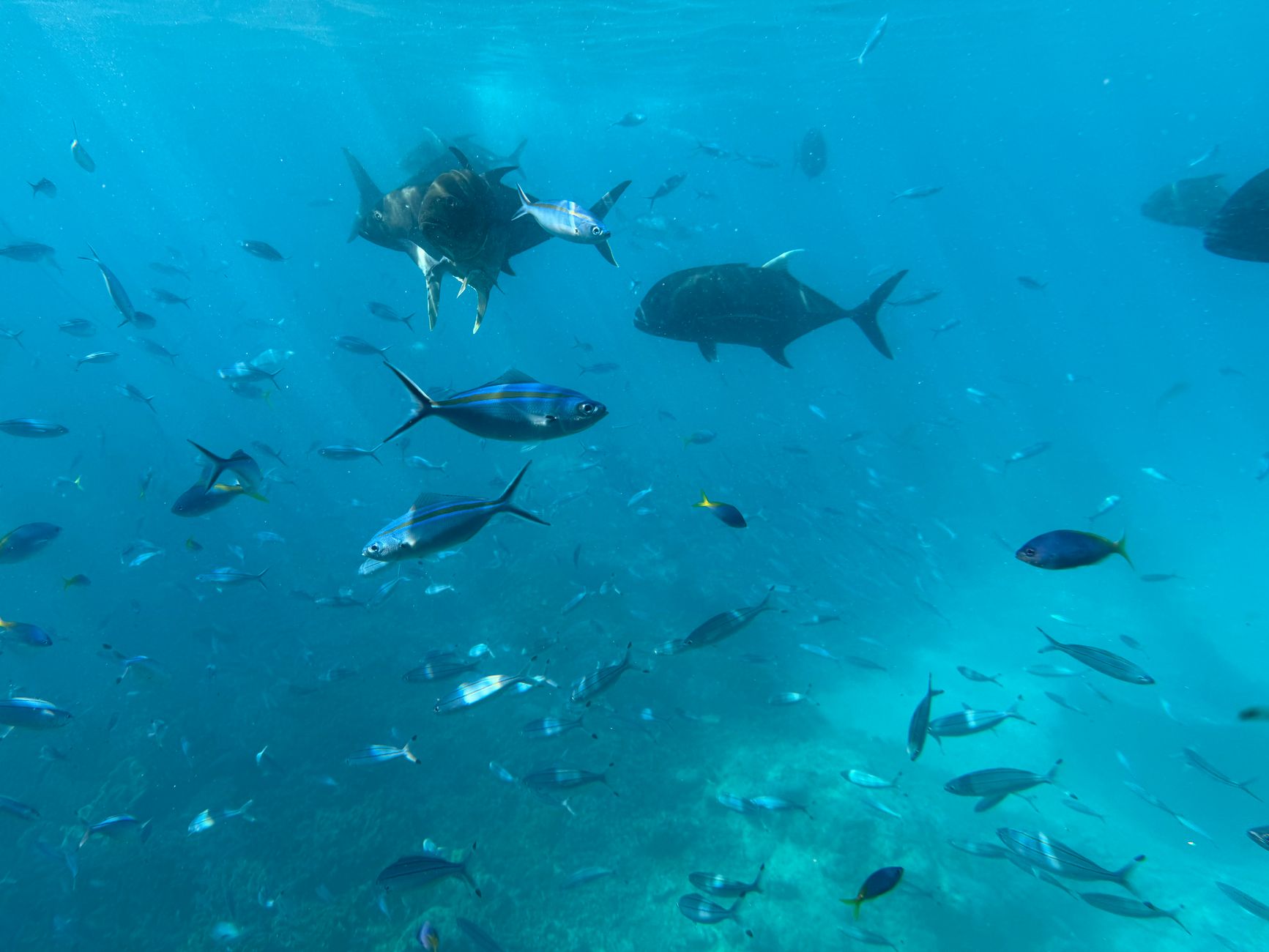
Tobago's underwater world amazes divers with biodiversity. You'll encounter colorful reef fish at virtually every site. Parrotfish and wrasses fill the water with movement and color. Groupers hide in coral crevices waiting for meals. Snappers school together in large numbers.
Larger marine animals visit Tobago's waters regularly. Manta rays glide through the water with grace and power. Sea turtles rest on the sandy bottom or graze on seagrass. Occasional sharks patrol the reefs, though encounters remain rare. Rays and eagle rays visit shallow areas searching for food.
Coral formations dominate the reef landscape. Brain coral grows slowly into large boulder shapes. Elkhorn coral creates branching structures fish use for shelter. Soft corals sway in currents creating hypnotic movement. Fire coral adds color but demands careful contact avoidance.
Invertebrate life includes starfish, sea urchins, and crustaceans. Nurse sharks rest on sandy bottoms during daylight hours. Lobsters hide in rocky crevices but come out at night. Sea stars in various colors cling to coral surfaces. Burrowing anemones create interesting tube structures.
Seasonal Marine Life Variations
Marine life abundance changes throughout the year. January through May bring calm seas and excellent visibility. Manta rays appear more frequently during winter months. Green sea turtles are most active in summer and early fall. Spawning events occur at specific times creating feeding frenzies.
Plankton blooms occasionally reduce visibility but attract filter feeders. These events bring whale sharks and manta rays to the area. Rare species sometimes appear during seasonal migrations. Your operator can advise on what animals to expect during your visit.
Best Time To Dive in Tobago
January through May represents the optimal diving season. These months feature calm waters and excellent visibility. The northeast trade winds calm down during this period. Sea conditions remain favorable for daily dive operations. Most divers plan Tobago diving vacations during these months.
The average temperature stays at 28.2°C year-round. Water temperature ranges from 26 to 29°C depending on the month. A 3mm wetsuit provides adequate warmth for most divers. The trade wind season (December to April) brings cooler air temperatures.
June through November brings the rainy season. Afternoon showers are common but usually pass quickly. Visibility decreases during heavy rainfall due to runoff. Dive conditions become less predictable during these months. Some operators reduce dive schedules during the rainy season.
Hurricane season officially runs June through November. Tobago rarely experiences direct hurricane hits due to its southern location. The island sits below the hurricane belt, offering relative safety. Swells can increase during storm seasons affecting dive conditions.
Monthly Breakdown
January offers perfect conditions with calm seas and warm temperatures. February and March continue excellent diving weather. April remains outstanding with consistent conditions. May starts the transition toward rainy season but still offers good diving.
September through November sees lower tourist numbers and potential discounts. Some dive operators run fewer trips during rainy season. Visibility can drop to 10 to 15 meters versus 25 meters average. Planning for rainy season dives requires flexibility.
PRO TIP: Book accommodations and dive trips at least two months ahead for peak season (January to March). This ensures availability and better rates.
Frequently Asked Questions
Do I Need Certification To Dive in Tobago?
Yes, all recreational scuba diving requires certification. You can earn your PADI Open Water certification in Tobago within three to four days. Many dive operators offer certification courses at reasonable costs. If you lack certification, completing a course is the first step. Your certification card will be recognized worldwide and remains valid for life. Snorkeling requires no certification and offers excellent marine viewing opportunities.
What Is the Water Temperature in Tobago?
Water temperature in Tobago ranges from 26 to 29°C throughout the year. The average temperature is 28.2°C (82°F). Most divers wear a 3mm wetsuit for comfort and sun protection. The warm water makes extended dives comfortable without heavy exposure protection. Even in cooler months, wetsuits provide adequate thermal protection. Personal preference varies so some divers use thinner suits or rash guards.
How Much Does Scuba Diving Cost in Tobago?
Pricing varies by operator and services included. Single dives typically cost moderate rates, while multi-dive packages offer better value. Equipment rental costs are usually separate from dive fees. Certification courses have their own pricing structure. Ask operators about current rates and package deals. Most accept credit cards and local currency. Budget accordingly for multiple dives during your stay.
Are There Sharks in Tobago Dive Sites?
Sharks inhabit Tobago's waters but rarely interact with divers. Most sharks actively avoid human contact. Nurse sharks rest peacefully on sandy bottoms and ignore divers. Reef sharks occasionally patrol dive sites but keep their distance. Attacks on divers remain extremely rare in Tobago. Your guide will brief you on shark encounters and proper behavior. Respecting wildlife ensures safe and memorable dives.
What Should Beginners Know Before Diving in Tobago?
Beginners should start with shallow dive sites and gradual progression. Diver's Dream and Batteaux Bay work excellently for new divers. Take your certification course before arriving if possible. Bring a water-resistant logbook to record your dives. Never dive alone and always follow your guide's instructions. Respect depth limits and ascent rates learned during certification. Starting conservatively builds confidence and ensures long-term diving enjoyment.