Last updated:
Tobago sits in the southern Caribbean, just northeast of Trinidad. This small island spans only 300 square kilometers. About 60,000 people call Tobago home. Understanding Tobago weather helps you plan the perfect vacation. The island experiences tropical conditions year-round. Temperature stays consistent at around 28.2°C throughout the year. Rainfall patterns change dramatically between seasons. Knowing when to visit makes your trip more enjoyable and affordable.
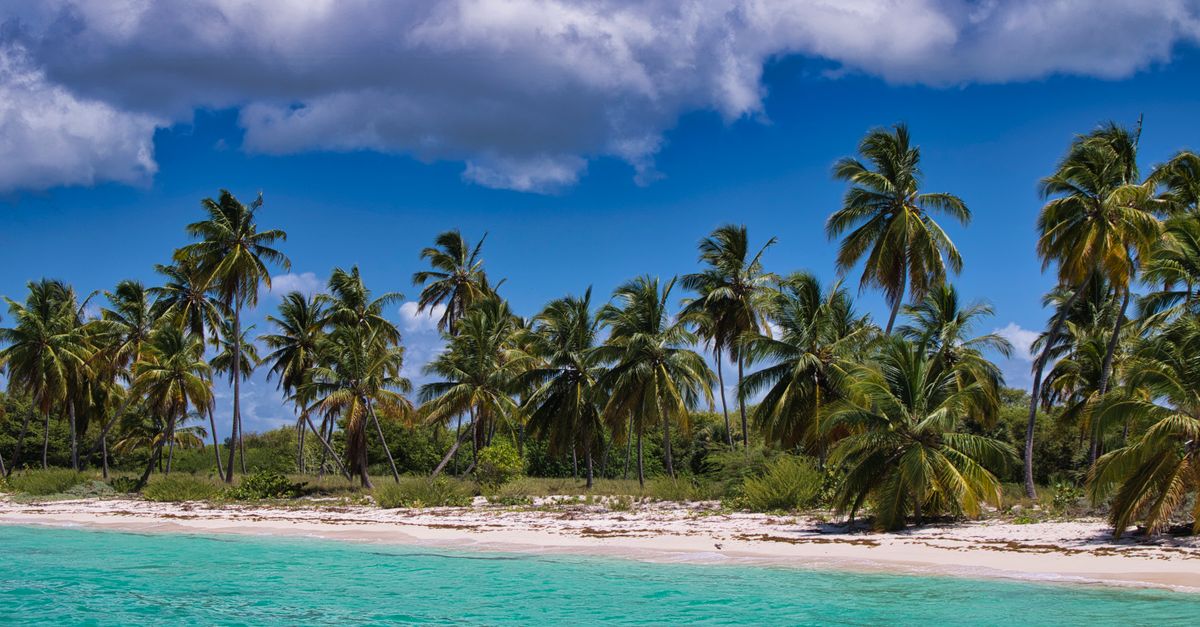
The best time to visit Tobago runs from January through May. These months bring the most reliable dry weather. Trade winds keep the island cool during this period. You'll enjoy sunny days perfect for beach time and water activities. Tourist crowds peak during these months, especially in February and March. Hotel rates climb higher during peak season. Many travelers book months in advance for these popular dates.
Tobago Weather by Month
Tobago's weather changes throughout the calendar year. January marks the start of the dry season. Expect sunny skies and pleasant temperatures. Rainfall remains minimal during this month. February continues the dry pattern. This month attracts the most visitors. March still offers excellent weather conditions. April begins to see slightly more rain. May marks the transition toward the wetter season.
June brings warmer temperatures and increased humidity. Rain becomes more frequent but doesn't fall all day. July and August see more rainfall. Trade winds help keep things cool. September represents the peak of the rainy season. October continues wet conditions. November begins drying out slightly. December marks the return toward drier weather.
Temperature varies little throughout the year. Ocean water stays warm at around 26 to 29 degrees Celsius. Humidity climbs during the rainy season. You'll notice moisture in the air from June through November. Early mornings offer the most comfortable conditions. Afternoons get hot and humid, especially June through October. Nighttime temperatures drop only slightly from daytime highs.
Wind patterns shift with the seasons. Trade winds blow strongly from January through May. These winds cool the air and keep rain away. The wind slows during summer months. This calmer period brings more rain and higher humidity. Understanding wind patterns helps you plan water activities. Strong winds in dry season create ideal conditions for kitesurfing.
Peak Season in Tobago
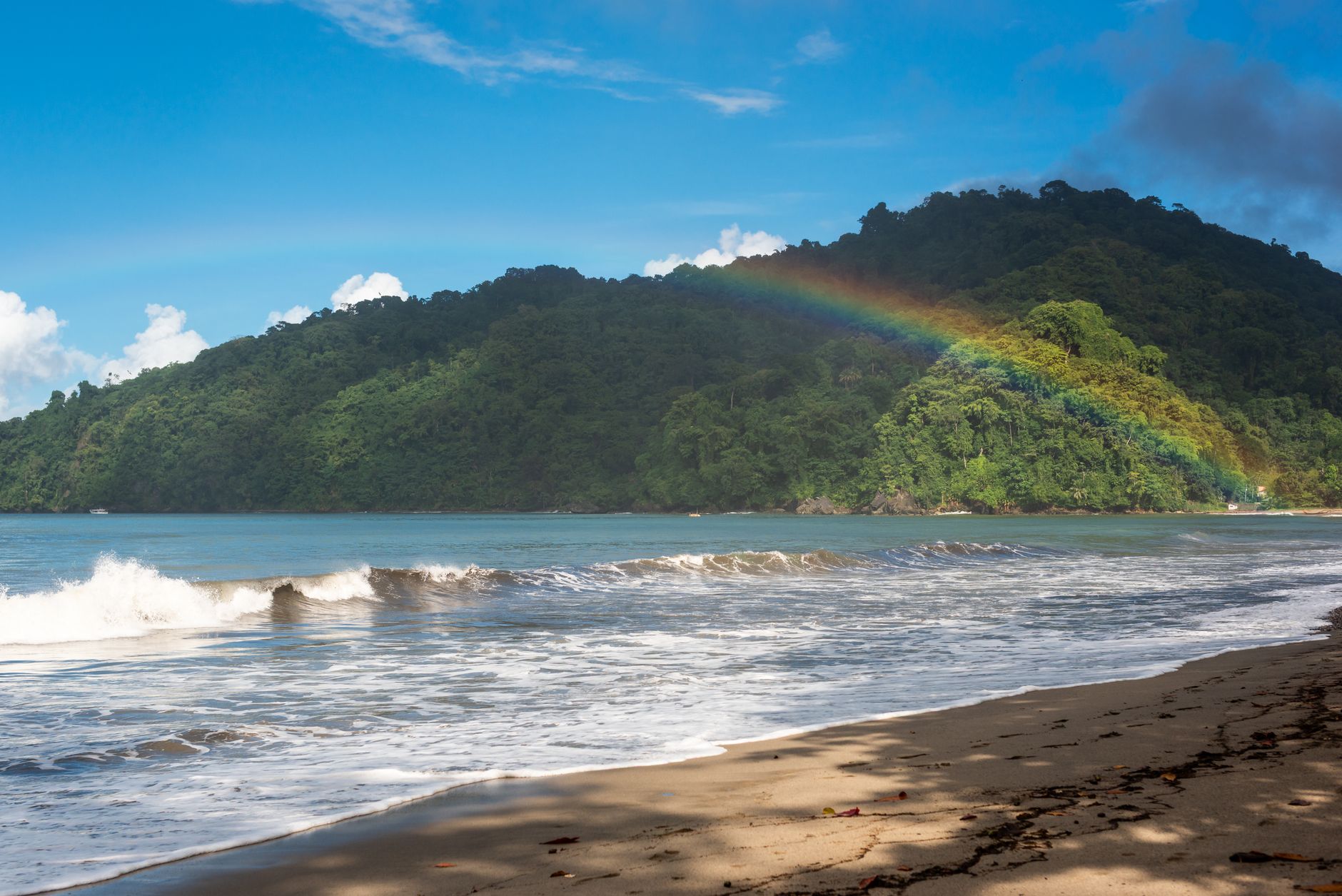
Peak season runs from January through March. February represents the absolute busiest month. Travelers worldwide flock to Tobago during this time. Holiday vacations from North America and Europe drive crowds. Hotel rooms book months in advance. Restaurant reservations become necessary at popular spots. Prices climb to their highest levels of the year.
January offers the first burst of dry-season visitors. Holiday travelers extend their New Year breaks into Caribbean trips. Weather remains perfect with sunny skies and cool temperatures. January 1st through January 10th sees the heaviest crowds. After mid-January, numbers drop slightly. Beaches stay busy throughout the month. A. N. R. Robinson International Airport handles busy flight schedules.
February attracts families and couples seeking winter escape. School breaks in North America and Europe align with this month. Carnival season activities peak in Trinidad but don't dominate Tobago. Valentine's Day brings honeymooners and romantic getaways. Resort occupancy reaches 90 percent or higher. Book accommodations six months ahead for February travel. Restaurant wait times extend during peak hours.
March continues strong visitor numbers. Spring break travelers from the United States arrive. Weather remains excellent with minimal rain. Beaches experience their busiest days. Dive shops operate at full capacity. Tour operators run multiple daily excursions. Water sports rentals book quickly. Despite crowds, March delivers reliable sunshine and warm water temperatures perfect for swimming.
PRO TIP: Book peak season accommodations 4 to 6 months in advance. January February prices run 40 to 60 percent higher than shoulder season rates. Consider visiting April or May for better availability and lower costs while maintaining good weather.
Shoulder Season: Best Value
April and May represent Tobago's shoulder season. These months offer excellent value for money. Hotel rates drop 20 to 40 percent from peak season prices. Crowds thin out noticeably. food-Restaurants no longer require advance reservations. Beaches feel less crowded but still pleasant. Weather remains mostly sunny and dry. Trade winds continue providing relief from heat.
April brings the final stretch of dry-season weather. Rainfall increases slightly from March but stays manageable. Most days remain sunny. Morning hours typically stay clear. Afternoon showers occasionally occur but pass quickly. Ocean temperatures hover around 28 degrees Celsius. Water remains ideal for swimming and diving. Visibility stays excellent underwater.
May marks the beginning of transition toward rainy season. Humidity climbs noticeably. Rain becomes more frequent but doesn't ruin plans. Showers usually arrive in afternoon hours. Mornings remain mostly dry. Tourists drop dramatically in May. Hotels offer significant discounts. Restaurants feel relaxed. Tour operators welcome smaller groups.
Shoulder season suits travelers avoiding peak crowds. You'll experience authentic island life. Local restaurants cater to residents more than tourists. Grocery stores and shops feel less packed. Beach areas remain accessible without fighting crowds. Accommodations offer better customer service with fewer guests. Activities run smoothly without long wait times. This season works perfectly for families, couples, and solo travelers.
Weather during shoulder season remains largely favorable. You won't experience the absolutely guaranteed sunshine of January through March. Rain may appear occasionally. Plan indoor activities as backup options. Bring light rain jackets or ponchos. The chance of rain shouldn't deter visitors. Most days still offer plenty of sunshine. The trade-off of occasional showers for lower prices and fewer people makes sense for many travelers.
Rainy Season in Tobago

Rainy season runs from June through November. September and October see the heaviest rainfall. The Atlantic hurricane season technically begins June 1st. Tobago sits south of the main hurricane belt. Direct hurricane hits occur very rarely. Tropical storms affect the island more frequently than hurricanes. Weather becomes unpredictable during rainy season.
June marks the official start of the wet season. Rainfall increases substantially from May levels. Expect showers nearly every afternoon. Morning hours often remain dry and sunny. Humidity climbs significantly. Temperatures rise slightly but rarely exceed 30 degrees Celsius. Trade winds diminish compared to dry season. The ocean calms, benefiting divers.
July and August bring continued wet conditions. Rainfall patterns become more erratic. Some days see heavy morning showers. Others feature light afternoon drizzle. Sunny periods still occur regularly. Underwater visibility improves as rough seas calm. Diving conditions often become excellent. Fewer tourists mean easier dive shop bookings. Accommodation prices drop further.
September represents the peak of rainy season. Expect rain most days. Showers can last several hours. Waterproof gear becomes essential. Muddy hiking trails require good footwear. Rivers swell and become dangerous. Some mountain roads may flood temporarily. Tourist numbers reach their lowest annual levels. Hotels offer steep discounts. This season suits only adventurous budget travelers.
October continues September's wet pattern. Heavy rainfall becomes normal. October typically sees the second-highest rainfall after September. Outdoor activities require careful planning. Indoor attractions become more important. Restaurants and shops remain open. Local communities function normally despite weather. The hurricane season officially continues through November 30th.
November shows early signs of improvement. Rainfall begins decreasing toward month's end. Trade winds start returning. Temperature and humidity begin normalizing. By late November, conditions improve noticeably. Travelers start returning. Hotels reopen seasonal properties. This transition month offers a bridge between rainy season and dry season conditions.
PRO TIP: Visit Tobago during rainy season for serious savings and peace. Hotels offer 50 to 70 percent discounts compared to peak season. You'll experience authentic island life. Bring waterproof bags for electronics. Plan mostly indoor activities. Afternoon showers rarely last all day. Morning hours often stay clear.
Best Time To Visit Tobago for Families
Families should visit Tobago during specific windows. School holiday periods dictate family travel timing. Christmas break (December 20 through January 5) works well for families. Weather turns excellent by late December. Prices climb during this period. Hotels stay very busy. Beach activities become perfect for kids. Swimming remains comfortable year-round. Water temperatures stay warm enough for young children.
Easter break (typically March or April) provides another family window. Spring arrives in North America during this time. Families coordinate multi-week trips. March offers peak dry season weather. Easter week sees increased prices but not extreme peak-season rates. April provides even better value. Both months offer sunny days ideal for beach time.
Summer break (June through August) presents challenges for families. Schools release children mid-June through August in many regions. Weather becomes significantly wetter. Rainy season discourages some families but offers advantages. Fewer crowds mean more family time on beaches. Prices drop substantially. Afternoon showers arrive predictably, allowing planned indoor activities in mornings.
Consider what matters most for your family vacation. Guaranteed sunshine favors January through April visits. Budget-conscious families prefer shoulder season or early rainy season. Water sports activities work best January through May. Hiking and nature activities suit all seasons. Calm ocean conditions for young swimmers favor rainy season months. Beach safety matters most for small children. Tourist beaches like Pigeon Point offer better facilities and lifeguards.
Child-friendly accommodations cluster near main beaches. Resorts like Grafton Beach Resort and Mount Irvine Bay Resort offer family amenities. Local restaurants accommodate children well. Fresh fruit and seafood appeal to most kids. Public beaches welcome families with minimal facilities. Pigeon Point Beach on the southwest coast offers calm waters and changing facilities. Store Bay Beach near Scarborough provides easy access and local food vendors.
Best Time To Visit Tobago for Diving

Tobago offers world-class diving year-round. The island features dive sites at every experience level. January through May provide the best diving conditions. Trade winds keep the ocean surface rough but underwater visibility remains excellent. Cooler water temperatures (26 to 27 degrees Celsius) keep divers comfortable during extended bottom time.
Dry season diving benefits from strong trade winds. Rough surface conditions challenge boat captains. Experienced divers handle rough seas better. Shore diving becomes an alternative during rough seas. Visibility underwater reaches 30 to 40 meters. Fish activity peaks during dry season. Larger pelagic species appear more frequently. Coral reefs display vibrant colors.
June through November favors divers seeking calm conditions. Calmer seas make boat handling easier. Surface conditions remain manageable. Fewer divers visit during rainy season. Dive shops handle smaller groups. Personalized attention improves. Visibility drops somewhat during rainy season. Expect 15 to 25 meter visibility instead of 30 to 40 meters. River runoff reduces visibility after heavy rains. Clear days still provide good underwater viewing.
September and October see the calmest ocean conditions. Rainfall increases visibility challenges from river discharge. Many dive operators reduce schedules during peak rainy season. Divers choosing these months find excellent prices. Local dive shops offer discounted rates. Multi-dive packages cost significantly less. You'll enjoy calm seas and personalized service from less-busy operators.
Popular dive sites include the Speyside area. Divers explore the Pigeon Point Marine Park. Tobago Cays offer excellent coral formations. Many sites feature shallow reef exploration suitable for beginners. Deeper sites challenge experienced divers. Manta rays appear seasonally. Sea turtles inhabit sandy areas. Dive shops operate from major beaches. Most resorts provide dive operator contacts and booking assistance.
Frequently Asked Questions
What Month Has the Best Weather in Tobago?
February and March offer the absolute best weather in Tobago. Trade winds blow consistently, keeping temperatures comfortable around 28 degrees Celsius. Rainfall remains minimal during these months. Sunny days dominate the forecast. Ocean conditions suit all water activities. However, February and March attract the most tourists and command the highest prices. January, April, and May offer nearly identical weather with fewer crowds and lower costs.
Is Tobago Affected by Hurricanes?
Tobago sits outside the main Atlantic hurricane belt. Direct hurricane hits occur very rarely, roughly once every 50 to 75 years. Tropical storms affect the island more frequently than hurricanes. The hurricane season runs June 1st through November 30th. June through August see relatively fewer storms. September and October represent peak tropical storm risk. Travel insurance covering weather disruptions provides peace of mind. Most rainy season visits proceed without significant weather impacts.
Can You Visit Tobago During Rainy Season?
Yes, visiting during rainy season (June through November) is absolutely possible. Expect afternoon showers most days, but mornings often stay dry and sunny. Rainfall typically arrives in short bursts rather than all-day downpours. Hotels offer 50 to 70 percent discounts compared to peak season. You'll experience fewer tourists and authentic island life. Bring waterproof gear and plan flexible activities. Diving conditions often improve during rainy season due to calmer seas. Budget travelers and experienced hikers find rainy season ideal.
What's the Difference Between Tobago's Wet and Dry Seasons?
The dry season (January through May) features minimal rainfall, cool trade winds, and reliable sunshine. Expect blue skies and perfect beach conditions. Prices peak and crowds arrive. The wet season (June through November) brings afternoon showers, higher humidity, and calmer winds. Ocean conditions become smoother for diving. Tourism drops dramatically. Hotels and restaurants offer significant discounts. September and October represent the wettest months. Both seasons have advantages depending on your priorities and travel style.
How Much Rain Falls in Tobago During Rainy Season?
Tobago receives substantial rainfall during June through November, with September and October seeing the heaviest amounts. Exact monthly totals vary by year and specific location on the island. Rainfall typically arrives as afternoon showers lasting one to three hours. Morning hours often remain dry. Some rainy season days stay completely dry. Rivers and streams swell after heavy rains. Muddy trails make hiking challenging. Most daily activities remain possible despite wet weather. Plan accordingly with waterproof bags and flexible scheduling.