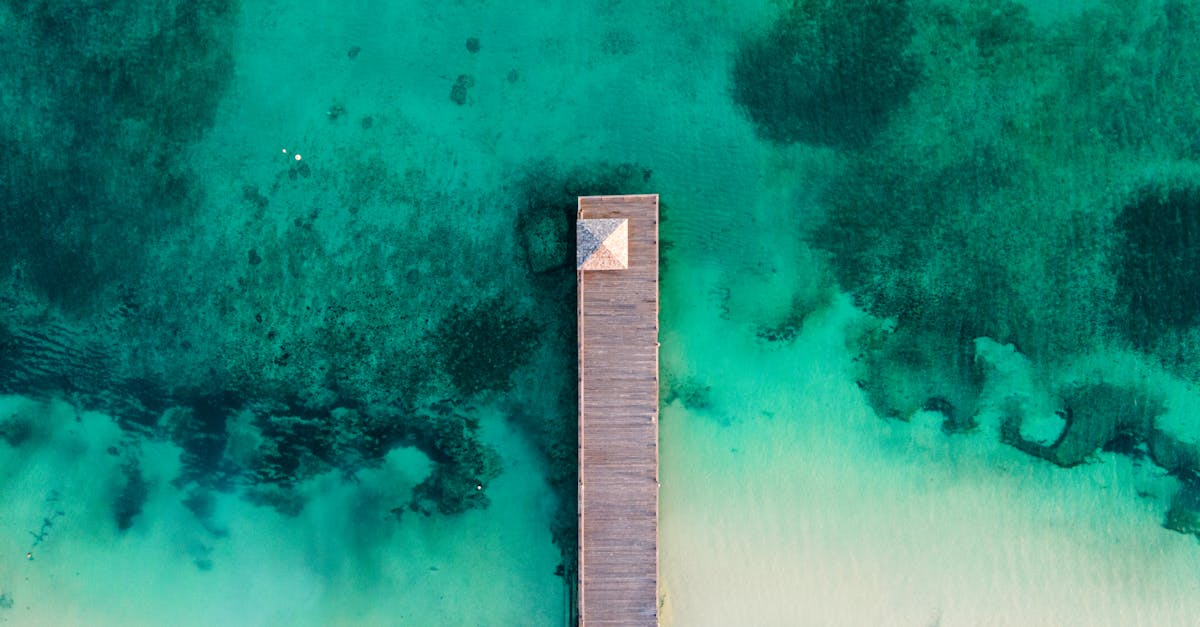
Tobago offers Caribbean charm without overwhelming crowds. This island sits in the Lesser Antilles with a population of just 60,000 people. You get pristine beaches, excellent diving, and friendly locals. English speakers will feel comfortable here. The island covers 300 square kilometers of tropical paradise. Most visitors fly into A. N. R. Robinson International Airport on the island itself.
A Tobago vacation works well for families, couples, and budget travelers alike. The island delivers world-class experiences without luxury resort prices. You can snorkel off the beach in the morning. Hike through rainforest in the afternoon. Enjoy fresh seafood at sunset. Tobago moves slower than larger Caribbean islands. This pace suits people seeking genuine relaxation and authentic experiences.
Three days gives you the essentials. You explore main beaches, try one water activity, and relax. This works for weekend trips or as a stopover from Trinidad. Five days lets you add a hiking trail and island tour. Seven days allows you to experience Tobago fully. You can visit multiple beaches without rushing. Try both snorkeling and scuba diving. Explore the rainforest. Spend time in Scarborough town. Ten days means you can repeat favorite activities and explore hidden spots.
First-time visitors should plan at least four days minimum. This gives you time to adjust to island pace. You experience the main attractions without feeling squeezed. Families with young children might add extra days for beach relaxation. Couples seeking romance benefit from slower pace of seven or more days.
PRO TIP:
Book accommodations near Store Bay or Pigeon Point Beach if you have limited days. Both beaches sit close to food-restaurants, shops, and water activities. You save travel time and maximize vacation hours.
7-Day Tobago Itinerary
Day 1: Arrival and Acclimatization
Arrive at A. N. R. Robinson International Airport. Rent a car or arrange transportation. Head to your accommodation in the Crown Point area or Pigeon Point. Spend the afternoon swimming and exploring nearby Store Bay Beach. This sandy beach sits close to restaurants and shops. Visit a local restaurant for fresh fish dinner. Rest early after travel.
Day 2: Beach Day and Water Sports
Take a boat tour to Nylon Pool and Aves Island. Nylon Pool sits in shallow turquoise water between Pigeon Point and Aves Island. The sand bottom creates a natural pool feeling. Snorkel in crystal clear water. Relax on the boat. Return to shore for lunch. Spend the evening at Pigeon Point Beach watching the sunset. This is Tobago's most famous beach. Families love the calm water and beach facilities.
Day 3: Rainforest and Local Culture
Drive to Scarborough, the capital town. Explore the market and local shops. Visit Fort King George for history and views. The fort sits on a hilltop overlooking Scarborough Bay. Hike a portion of the Main Ridge Trail if you enjoy nature. This trail crosses the island's rainforest. Hire a local guide for the best experience. Return to your beach area for dinner and relaxation.
Day 4: Diving or Advanced Snorkeling
Book a dive trip to Tobago's famous reefs. Diver's Thimble and Kelleston Drain are excellent reefs for all levels. Beginners should book with certified instructors. Advanced divers explore deeper sites. If diving isn't your thing, take a guided snorkel tour instead. These tours visit multiple reefs in one day. The marine life is impressive. You see tropical fish, sea turtles, and coral formations.
Day 5: Northern Beaches
Drive to Parlatuvier Bay on the north coast. This quieter beach offers a different vibe from the crowded south. The water is calm and good for swimming. Enjoy fresh crab and provisions at beachside restaurants. Visit Bloody Bay Beach nearby for scenic views. These northern beaches get fewer tourists. You experience more authentic village atmosphere.
Day 6: Relaxation and Exploration
Return to your favorite beach for a full relaxation day. Read, swim, and enjoy the pace. Try paddleboarding or kayaking if available. Visit local craft shops and galleries. Sample different restaurants. Chat with locals and get their recommendations. This slower day prevents vacation burnout. Many visitors wish they'd planned more rest days.
Day 7: Final Beach Time and Departure
Spend morning at your favorite beach one last time. Pack and complete any final shopping. Enjoy a leisurely lunch. Head to the airport for your flight. Take mental snapshots and plan your return visit.
PRO TIP:
Rent a car for the 7-day itinerary instead of relying on taxis. You save money and have freedom to explore on your schedule. Roads are well-maintained on main routes.
3-Day Tobago Itinerary
Day 1: Beaches and Snorkeling
Arrive and head straight to Store Bay Beach or Pigeon Point Beach. Swim and relax for a few hours. Book an afternoon snorkel trip to nearby reefs. You can snorkel off Store Bay itself or take a boat to better sites. Return to shore and eat fresh fish dinner at a beachside restaurant. Many excellent options sit right on the sand. Retire early to rest from travel.
Day 2: Island Tour
Book a guided island tour early morning. These typically cover Scarborough town, Fort King George, and scenic overlooks. Tours usually include stops at Nylon Pool or a quiet beach. Lunch is included at a local restaurant. You learn island history and culture from your guide. This covers the most ground in the shortest time. Budget travelers should split costs with other tourists on group tours.
Day 3: Beach Relaxation and Departure
Spend your final morning at the beach. Swim one last time. Buy souvenirs at nearby shops. Enjoy a casual lunch. Depart for the airport.
✓Best forWeekend travelersfirst-time visitors on tight schedulesthose connecting through Tobago
Tobago Travel Budget Guide
Budget travelers should plan $50 to $80 USD per day for accommodations, food, and activities combined. Guest houses and small hotels offer clean rooms without resort prices. A decent double room runs $40 to $70 per night. Eating at local restaurants costs $8 to $15 per meal. Fast food and street eats run $3 to $7.
Mid-range travelers typically spend $120 to $250 USD daily. Hotels in this range offer comfort and good locations. Many include breakfast. Dining at nicer restaurants runs $15 to $30 per person. Car rentals cost $30 to $50 per day. Water activities and tours run $30 to $80 per person.
Luxury travelers should budget $250 to $500 USD or more daily. High-end resorts and villas offer premium amenities. Fine dining restaurants run $40 to $80 per person. Private tours and exclusive activities cost more but provide personalized service.
Activities vary widely. Boat tours run $40 to $80 per person. Scuba diving certification courses cost $400 to $600. Single dives run $60 to $100. Snorkel tours run $30 to $50. Hiking guide services run $30 to $60. These prices can vary seasonally and by operator.
Money-Saving Tips for Budget Travelers:
Stay in guest houses away from main tourist beaches
Eat at local restaurants instead of resort restaurants
Book multi-day tours for better per-day rates
Rent a car instead of taking taxis for group travel
Visit beaches that don't charge entrance fees
Book diving and tours in advance for discounts
PRO TIP:
Visit during shoulder season (April to May) for lower prices and fewer crowds. Hotels offer discounts of 20 to 30 percent compared to peak winter months.
Best Time To Book Your Tobago Vacation
The best months to visit are January through May. Weather is dry and sunny. Temperatures hover around 28.2°C. Seas are calm for water activities. January and February are peak season with highest prices and most crowds. March through May offer the same great weather with fewer tourists and better prices.
June through November is the wet season. Afternoon rain showers are common but usually brief. Prices drop significantly. Fewer tourists mean quieter beaches. The risk of hurricanes exists but is relatively low in the southern Caribbean. Many travelers still visit during wet season for value.
Book accommodations 2 to 3 months in advance for best rates and selection. If traveling during peak season (December to February), book 3 to 4 months ahead. Shoulder season (March to May) allows more flexible booking. Last-minute deals rarely occur in Tobago since the island is relatively small.
Avoid peak holiday periods if possible. Christmas week, New Year's week, and Easter bring maximum crowds and prices. Conversely, book these periods 4 to 5 months in advance if you must travel then.
✓Best forBudget travelers seeking valuefamilies with flexible schedulescouples avoiding crowds
Most nationalities do not need a visa for Tobago. Citizens of the United States, Canada, United Kingdom, Australia, and most European countries can enter visa-free for tourism. You need a valid passport with at least six months remaining validity. Tourist visa requirements vary by nationality, and some markets are visa-exempt. Check with your embassy or the Trinidad and Tobago government website before traveling to confirm your specific requirements. If you need a visa, allow 4 to 6 weeks for processing.
What Is the Currency, and Can I Use US Dollars?
The currency is the Trinidad and Tobago dollar (TTD). Most tourist areas accept US dollars, but you'll get better rates exchanging money at banks or ATMs. Withdraw cash from ATMs upon arrival since they offer competitive exchange rates. Credit cards work at hotels, restaurants, and shops in tourist areas. Inform your bank before traveling so they don't block international transactions. Small local restaurants and shops may only accept TTD cash, so keep some local currency on hand.
Is Tobago Safe for Tourists?
Tobago is generally safe for tourists compared to other Caribbean destinations. The island is small and tourism is well-established. Stick to tourist areas, especially after dark. Don't display expensive jewelry, cameras, or large amounts of cash. Use registered taxis or arranged transportation instead of hailing cabs on the street. Violent crime against tourists is rare, but petty theft occurs. Keep valuables in your hotel safe. Most visitors have trouble-free vacations by using common sense. Solo travelers should use extra caution, especially at night.
When Is Hurricane Season, and Is Tobago at Risk?
Atlantic hurricane season runs June through November, with peak activity in August through October. Tobago sits in the southern Caribbean, which has lower hurricane risk than northern islands. Direct hurricane hits are uncommon. Tropical storms and heavy rain are more typical during wet season. Travel insurance covering weather-related cancellations is wise if traveling June through November. Monitor weather forecasts before and during your trip. Hotels have hurricane protocols and can secure guest safety if storms approach. The island's southern location makes it relatively safe compared to other Caribbean islands.
What Should I Know About Getting Around Tobago Without a Rental Car?
Taxis operate throughout the island but are more expensive than rental cars for multiple trips. Negotiate fares before entering taxis. Public minibuses called maxi taxis follow set routes and cost less than regular taxis but make many stops. Maxi taxis are crowded but offer authentic local experience. Book excursions and tours through your hotel or tour operators who provide transportation. Staying near beaches like Pigeon Point or Store Bay reduces transportation needs. For multi-day exploration, a rental car is more practical and economical than daily taxi rides.