Last updated:
Best Markets in Tobago
Tobago markets offer visitors and locals a genuine taste of island life. The markets showcase everything from fresh tropical fruits to handmade crafts. You will find warm, welcoming vendors eager to share their products. Tobago markets operate year-round with peak activity on weekends and early mornings.
Scarborough Market stands as the island's largest and most famous marketplace. Located in the capital city of Scarborough, this bustling hub attracts hundreds of shoppers daily. The market occupies a dedicated covered building with multiple sections. You can navigate produce areas, craft stalls, and seafood vendors easily. Scarborough Market opens early in the morning and closes by early afternoon.
The market experience feels authentic and unrushed. Vendors take pride in their offerings and enjoy conversation with visitors. You will see locals shopping for their weekly groceries alongside tourists hunting for souvenirs. The atmosphere changes throughout the day, with the liveliest hours occurring between 7 AM and 10 AM on weekends.
Tobago's smaller neighborhood markets bring charm and convenience to residential areas. Bacolet market serves the eastern side of the island. Lambeau market operates on the western coast near Scarborough. These neighborhood markets feel more intimate than the main market. You can visit them without feeling overwhelmed by crowds.
Local Food Markets in Tobago

Food markets in Tobago burst with color, flavor, and Caribbean energy. Fresh produce arrives daily from local farmers and regional suppliers. You will find tropical fruits you've never encountered before. Mangoes, dasheen, breadfruit, and callaloo fill vendor stalls throughout the year. The abundance surprises most first-time visitors.
Scarborough Market's produce section occupies the largest portion of the building. Vendors arrange their goods in neat, appealing displays. You can sample items before purchasing. Many vendors grow their own crops on small plots throughout Tobago. The quality reflects their personal care and farming expertise.
Seafood vendors operate at the market's dedicated sections. Fresh fish arrives from local fishermen several times daily. You will see snapper, grouper, mahi-mahi, and other Caribbean species. Shrimp and lobster appear seasonally. Vendors can clean and prepare fish to your specifications on the spot.
The spice section offers an impressive variety of dried seasonings. Turmeric, cilantro, and local spice blends fill small containers. You can purchase pre-made seasoning mixtures for traditional Tobago dishes. Vendors will explain how to use each spice. This makes shopping an educational experience.
PRO TIP: Visit food markets between 7 AM and 9 AM for the best selection and freshest produce. Bring cash (TTD) as most vendors don't accept cards. Haggling is common but not aggressive; vendors expect friendly negotiation. Wear comfortable shoes and bring a reusable bag for purchases.
What's Available Year-Round
Certain items appear at Tobago markets throughout the year. Root vegetables like cassava and yams remain available in all seasons. Plantains, bananas, and coconuts stock the market shelves consistently. Peppers in various colors fill baskets daily. Local herbs like culinary mint grow abundantly and sell fresh.
Canned and packaged goods occupy dedicated sections. Imported items share space with locally produced products. Many vendors sell items like flour, sugar, and cooking oils. Some stalls focus entirely on dried goods and staple foods. These sections serve locals doing their regular grocery shopping.
Seasonal Specialties
Certain products appear seasonally at Tobago markets. Mangoes flood the market during the May through August season. Different varieties like Julie, Starch, and Graham mangoes rotate through. Avocados peak during summer months. Cocoa products appear more frequently during the cocoa harvest.
Seafood seasons change throughout the year. Fish varieties shift based on breeding seasons and migration patterns. Crab and lobster become more available during specific months. Local fishermen adjust their catches to follow natural cycles. Smart shoppers learn these seasonal patterns.
Craft and Souvenir Shopping
Tobago's craft markets showcase the artistic talents of local artisans. Handmade goods reflect Caribbean culture, history, and natural resources. You will find items unavailable anywhere else in the world. Supporting craft vendors directly helps preserve traditional skills and island culture.
Scarborough Market dedicates sections to craft vendors and artisans. Woven items like baskets and placemats showcase traditional techniques. You can watch vendors create items while you shop. Hand-painted wooden goods feature vibrant designs. Local artists paint scenes of beaches, wildlife, and everyday island life.
Jewelry crafted from shells, coral, and local materials catches many visitors' eyes. Artisans shape conch shells into decorative pieces and functional items. Beaded jewelry combines Caribbean colors and styles. Each piece tells a story about island traditions. Prices reflect the craftsmanship and time invested.
Wood carving represents a significant craft tradition on Tobago. Artisans carve masks, figurines, and decorative boxes from local wood. Designs range from abstract modern styles to traditional African-inspired patterns. The smooth finishes show master craftsmanship. You can commission custom pieces from established carvers.
PRO TIP: Purchase crafts directly from artisans whenever possible. This ensures authenticity and supports local creators. Ask about the materials and techniques used. Many artisans enjoy sharing their stories and creative processes. Request business cards to support them again online or recommend them to friends.
Where To Find Authentic Crafts
Scarborough Market remains the primary destination for craft shopping. However, small shops throughout Scarborough's downtown area sell quality handmade goods. Store owners often work directly with local artisans. You can visit artist studios in residential neighborhoods. Tourism offices can provide directions to specific crafters.
Beach vendors sell crafts near popular tourist areas. However, market shopping offers better selection and quality assurance. Direct vendor relationships mean you avoid middleman markups. Bargaining with craft vendors is expected and accepted. Start at 20 to 30 percent below the asking price.
Where To Buy Local Products

Tobago produces unique local products you cannot find in supermarkets. These items make meaningful gifts and personal souvenirs. Supporting local producers helps the island economy thrive. You can feel good about your purchases knowing they help Tobago families.
Cocoa products stand as Tobago's most famous local specialty. The island grows high-quality cocoa used in premium chocolates worldwide. Local producers create chocolate bars, cocoa powder, and cocoa nibs. You can purchase these at Scarborough Market and specialty shops. The quality surpasses most mass-produced chocolate brands.
Hot sauce and local condiments carry the flavors of Tobago. Vendors make sauces using fresh peppers and traditional recipes. Bottles feature hand-written labels and island artwork. These sauces make excellent gifts for food lovers at home. Each brand offers unique flavor profiles and heat levels.
Spice blends capture traditional Tobago cooking techniques. Vendors combine dried peppers, herbs, and seasonings. Mix combinations vary by family recipe. Many blend options exist for curry, stews, and grilled meats. Purchase small quantities to try different brands.
Specialty Food Products
Cassava bread represents a traditional Tobago staple. Local producers grate cassava root and press it into flat breads. The product stores well and tastes slightly nutty. You can eat it plain or use it in cooking. Cassava bread carries cultural significance for Caribbean communities.
Honey from local beekeepers fills small jars at market stalls. The honey ranges from light golden to dark amber. Flavor varies based on the flowers and plants bees visited. Raw, unfiltered honey retains more nutrients and flavor compounds. Local honey makes an excellent breakfast topping.
Coconut products appear in multiple forms. Fresh coconuts can be cracked open and consumed. Dried coconut shreds fill small bags. Coconut oil appears in glass bottles. Coconut milk, used in Tobago cooking, stocks shelves. Each product serves different cooking and cosmetic purposes.
Textiles and Clothing
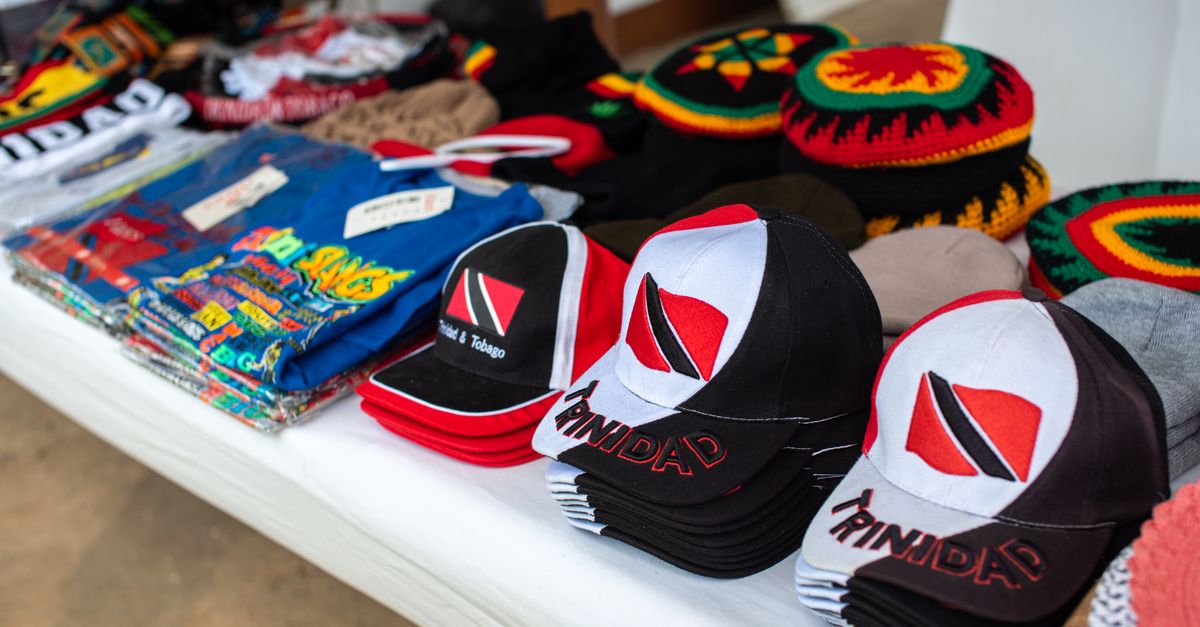
Local textile artists create vibrant fabrics featuring Caribbean designs. Printed patterns show flowers, birds, and abstract geometric shapes. You can purchase fabric by the yard or as finished clothing. T-shirts with local artwork make practical souvenirs. Scarves and wraps offer versatility and cultural authenticity.
Market vendors sell beach cover-ups and lightweight clothing. These garments suit Tobago's tropical climate. Many feature bright colors and island-inspired patterns. Prices at markets undercut tourist shop prices significantly. Try items on before purchasing to ensure proper fit.
Shopping Hours and Tips
Understanding Tobago market hours helps you plan successful shopping trips. Scarborough Market opens early, typically around 6 AM. Morning hours bring the best selection and freshest products. The market atmosphere feels most vibrant between 7 AM and 10 AM. Crowds gradually build throughout the morning.
Most vendors close by 2 PM on weekdays. Weekend hours extend slightly later. The market operates six days per week. Sunday operations vary by individual vendor preference. Check local information sources for any holiday closures.
Neighborhood markets operate on slightly different schedules. Many open and close at flexible times based on vendor needs. Visit these markets during mid-morning for reliable vendor presence. Early morning visits risk finding fewer vendors set up. Afternoon visits mean reduced selection.
Essential Shopping Tips
Bring Trinidad and Tobago dollars (TTD) for market shopping. Most vendors don't accept credit cards or foreign currency. ATMs operate throughout Scarborough. Exchange currency at the airport or local banks. Always have small bills available for transactions.
Wear comfortable walking shoes for market exploration. The covered market stays cool but lacks air conditioning. Bring a reusable shopping bag or tote. Market floors can be wet, so closed-toe shoes protect your feet. Light clothing suits the tropical heat inside and outside.
Visit markets early for the best experience. Crowds increase as the day progresses. Vendors sell out of popular items by late morning. Early visits mean fresher produce and more artisan availability. Plan to spend one to two hours browsing and shopping.
Negotiation and Pricing
Bargaining happens at Tobago markets, particularly for crafts and bulk purchases. Start conversations with vendors to understand their products. Ask friendly questions about origins and creation methods. Express genuine interest before discussing price. Vendors appreciate respectful negotiation.
For produce, pricing is usually fixed. However, bulk purchases sometimes receive small discounts. For crafts, starting 20 to 30 percent below asking prices is reasonable. Work toward a middle ground that satisfies both parties. Remember that lower prices sometimes mean lower quality.
Payment methods vary among vendors. Larger quantities sometimes accept checks. However, cash remains most reliable. Small purchases under 50 TTD rarely have haggling room. Focus negotiations on higher-value items and bulk purchases.
PRO TIP: Arrive at markets with specific shopping goals. Make a list of items you want to find. This keeps you focused and prevents impulse purchases. However, leave room for discovering unexpected treasures. Some of the best finds happen through vendor recommendations and exploration.
What To Buy in Tobago
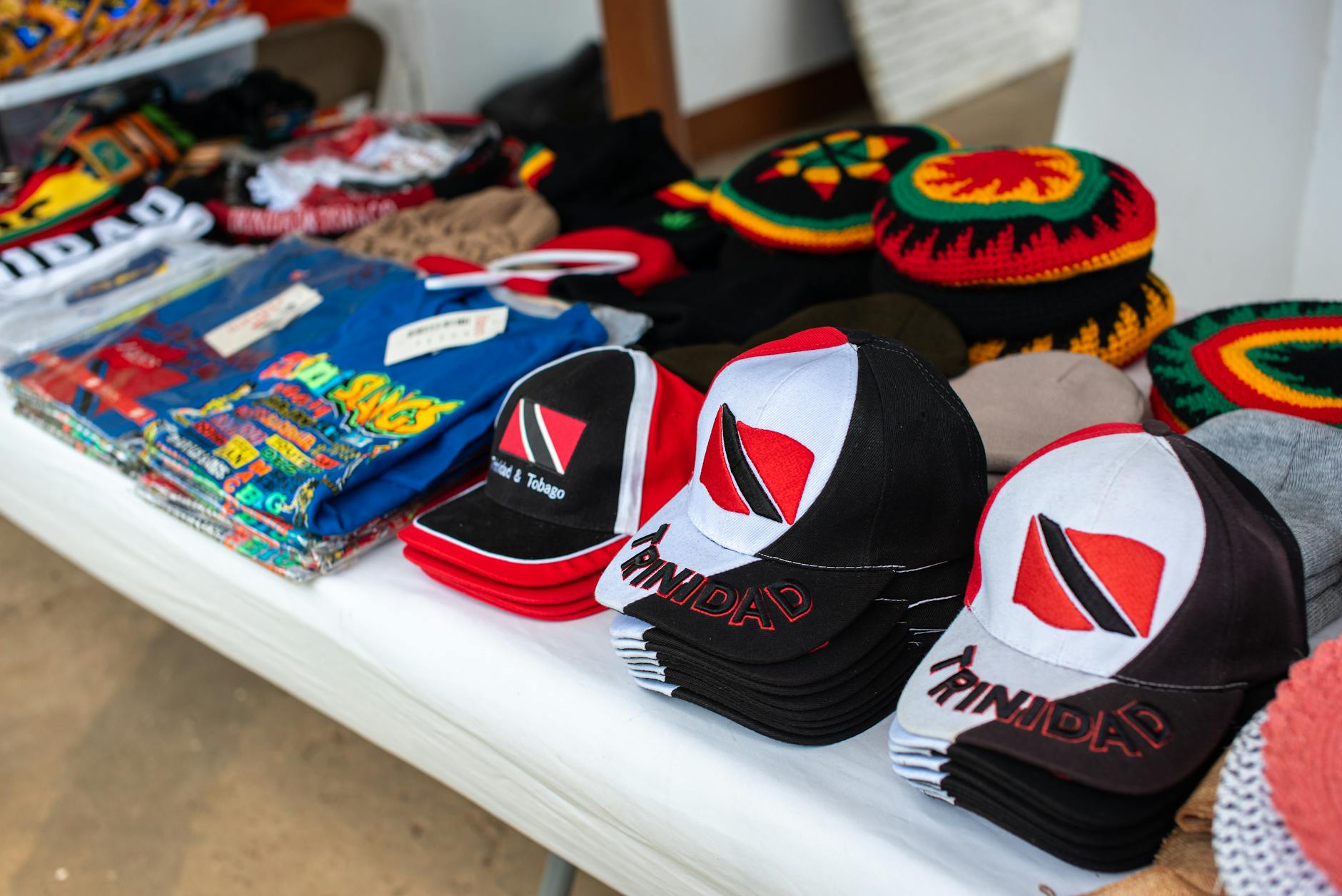
Tobago offers unique purchases unavailable in most other destinations. Quality local products make meaningful gifts and personal mementos. Support artisans and producers by choosing locally made items. These purchases create lasting memories of your island visit.
Top Souvenirs To Purchase
Cocoa and chocolate products rank among Tobago's best souvenirs. Single-origin chocolate bars taste exceptional. Cocoa nibs provide a healthier treat option. Chocolate-covered local fruits combine unique flavors. Package these items carefully for air travel. They make impressive gifts for food lovers.
Handmade crafts tell stories of Tobago's artistic community. Carved wooden figurines showcase traditional skills. Woven placemats and baskets add Caribbean flair to homes. Shell jewelry captures island memories in wearable form. Painted items brighten any room or office space.
Local art and prints preserve beautiful Tobago scenery. Independent artists sell originals and prints at markets. Beach scenes, wildlife, and cultural imagery dominate offerings. Prints are lightweight and fit easily in luggage. Originals provide investment-quality art pieces.
Spices and seasonings bring Tobago flavors home. Mix multiple types to create a spice collection. Combine Caribbean flavors in your everyday cooking. Include recipe cards or cooking suggestions. These gifts offer practical value and culinary adventure.
Gifts for Different Travelers
For families, purchase items children can enjoy. Local fruit preserves and sweets appeal to young palates. Colorful woven items and painted crafts delight kids. Books about Caribbean culture teach and entertain. Family-friendly souvenirs create shared memories.
Couples appreciate romantic gift options. Matching shell jewelry symbolizes shared island experiences. Paired items like his-and-hers spice blends feel thoughtful. Joint art purchases commemorate vacations together. Scented items like natural soaps evoke tropical memories.
Solo travelers enjoy personal treasures. Quality cocoa products satisfy personal indulgence. Unique crafts serve as conversation pieces. Wearable items like scarves or jewelry combine practicality with memory. Personal souvenirs mark your independence and journey.
Frequently Asked Questions
Are Tobago Markets Safe for Tourists?
Yes, Scarborough Market and neighborhood markets feel safe for visitors. The covered market provides security through visibility and vendor presence. Stick to main areas and avoid displaying valuable items like jewelry or cameras. Shop during daylight hours when crowds provide natural security. Vendors protect their spaces and watch out for tourists. Use the same precautions you would in any crowded public market worldwide. Consider visiting with a friend for additional security and company.
What Is the Best Time To Visit Tobago Markets?
Visit markets between January and May for ideal conditions. These months offer pleasant temperatures and lower rainfall. Market activity remains consistent throughout these months with good vendor presence. Early mornings between 7 AM and 10 AM provide the best selection. Weekend visits bring larger crowds but more vendor variety. Avoid late afternoons when vendors close and selection diminishes. Rainy season markets (June through December) still operate but with smaller vendor turnouts. Plan your visit around sunrise or mid-morning for optimal experiences.
Can I Use US Dollars or Credit Cards at Tobago Markets?
Most market vendors prefer Trinidad and Tobago dollars (TTD) and accept only cash. Credit cards rarely work at market stalls, especially for small purchases. Exchange currency at the airport upon arrival or visit local banks. ATMs throughout Scarborough dispense TTD easily. Have small bills available for transactions. Some established craft shops accept cards, but markets operate primarily on cash. Plan accordingly and withdraw sufficient currency before visiting markets. This preparation ensures smooth transactions and avoids payment complications.
What Items Should I Avoid Buying at Tobago Markets?
Avoid purchasing endangered species products or items made from protected animals. Coral, certain shells, and wildlife products may violate export laws. Don't buy items you cannot transport safely or legally. Heavy pottery or fragile crafts require careful packing. Be cautious of items making exaggerated health claims. Verify authenticity before purchasing expensive artisan goods. Avoid single-vendor reliance for important purchases. Compare prices across multiple stalls. Check product expiration dates on food items. Ask about storage recommendations for perishable goods you purchase.
How Do I Get To Scarborough Market From the Airport?
A. N. R. Robinson International Airport (TAB) is located in Scarborough, making access convenient. Taxis operate from the airport terminal to all island destinations. The market sits within walking distance of the airport. Travel time takes approximately 10 to 15 minutes by car depending on traffic. Rental cars provide flexibility for market shopping and exploring neighborhoods. Shared minibuses offer affordable transportation from the airport. Hotel concierges can arrange transportation. Ask drivers about market hours and peak shopping times. Confirm the return transportation arrangement before heading to the market.